
Goths’ Migration
The Goths were a group of tribes that over many generations descended from Northern Europe, namely the Island of Gotland (which became too small for its growing population), to today's Ukraine and Belarus. Generally, these ethnic groups were distinguished between Visigoths (West Goths) and Ostrogoths (Ost or East Goths), which were the tribes that had settled eastward in today's Crimea.
Such tribes had in common similar cultural traditions and a language with Germanic roots, an Indo-European language. Their presence on the shores of the Baltic Sea and in today's Poland was first recorded in the 1st and 2nd centuries AD by historians of the first Roman imperial period.
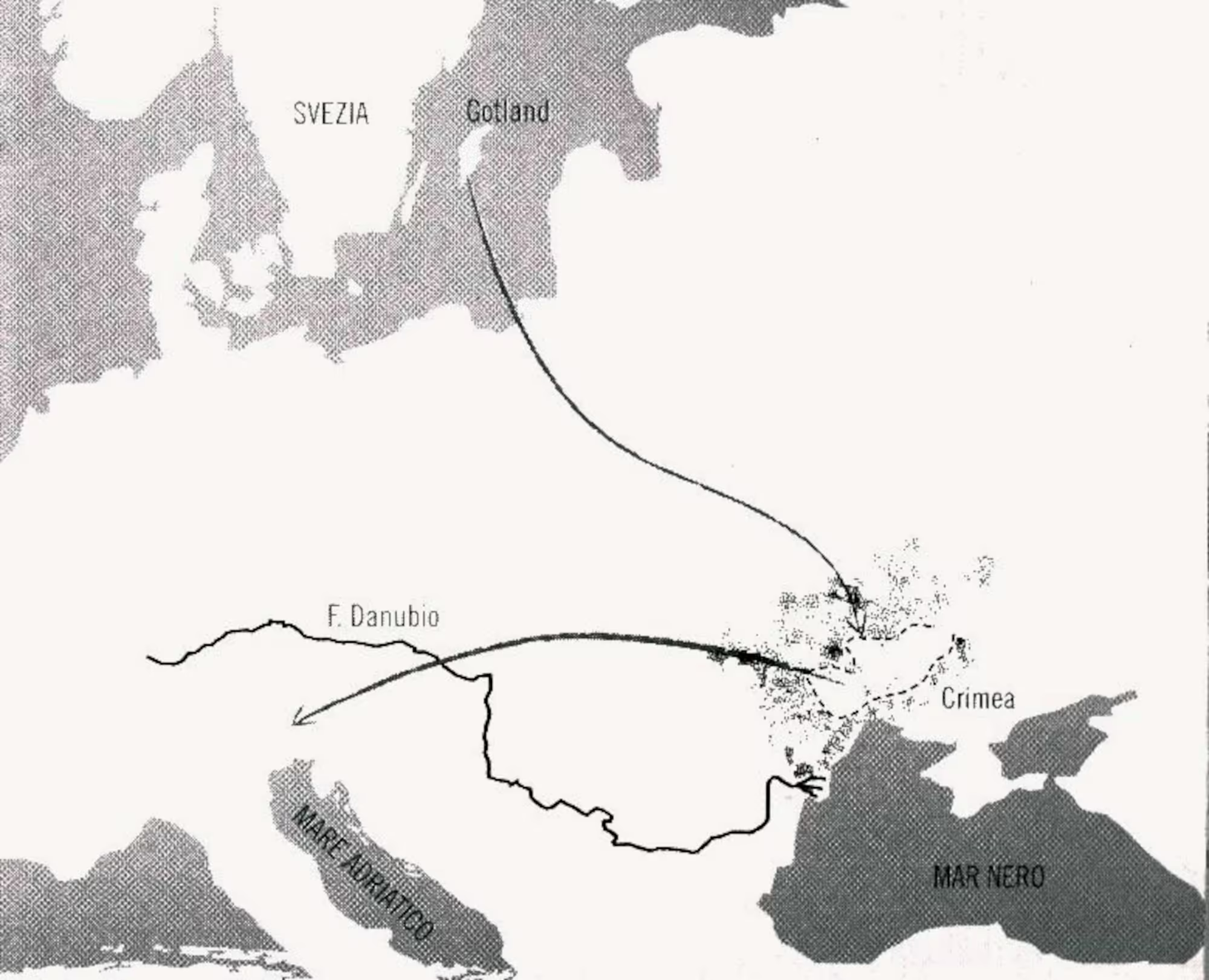 Goths' Migration over Centuries
Following the death of the last sole Emperor, Theodosius I, in 395, the empire once again fell under divided rule. Soon, great tribal migrations put unrelenting pressure on the Northern borders of the Empire. In 401, the Visigoths entered Northern Italy.
The Western emperor, Honorius, fled the capital of Milan for Ravenna in 410, the same year Rome itself was invaded. After the forced abdication of the last Roman emperor, Romulus Augustulus, in 476, Italy eventually became an Ostrogothic kingdom until 553 AD.
Only in very recent years have Gothic settlements been unearthed in Piedmont, Lombardy, the Trentino and the Veneto Regions. The first settlement to have been excavated in the Friuli Region is in Attimis by the Church of San Giorgio, which overlooks the village from a hill.
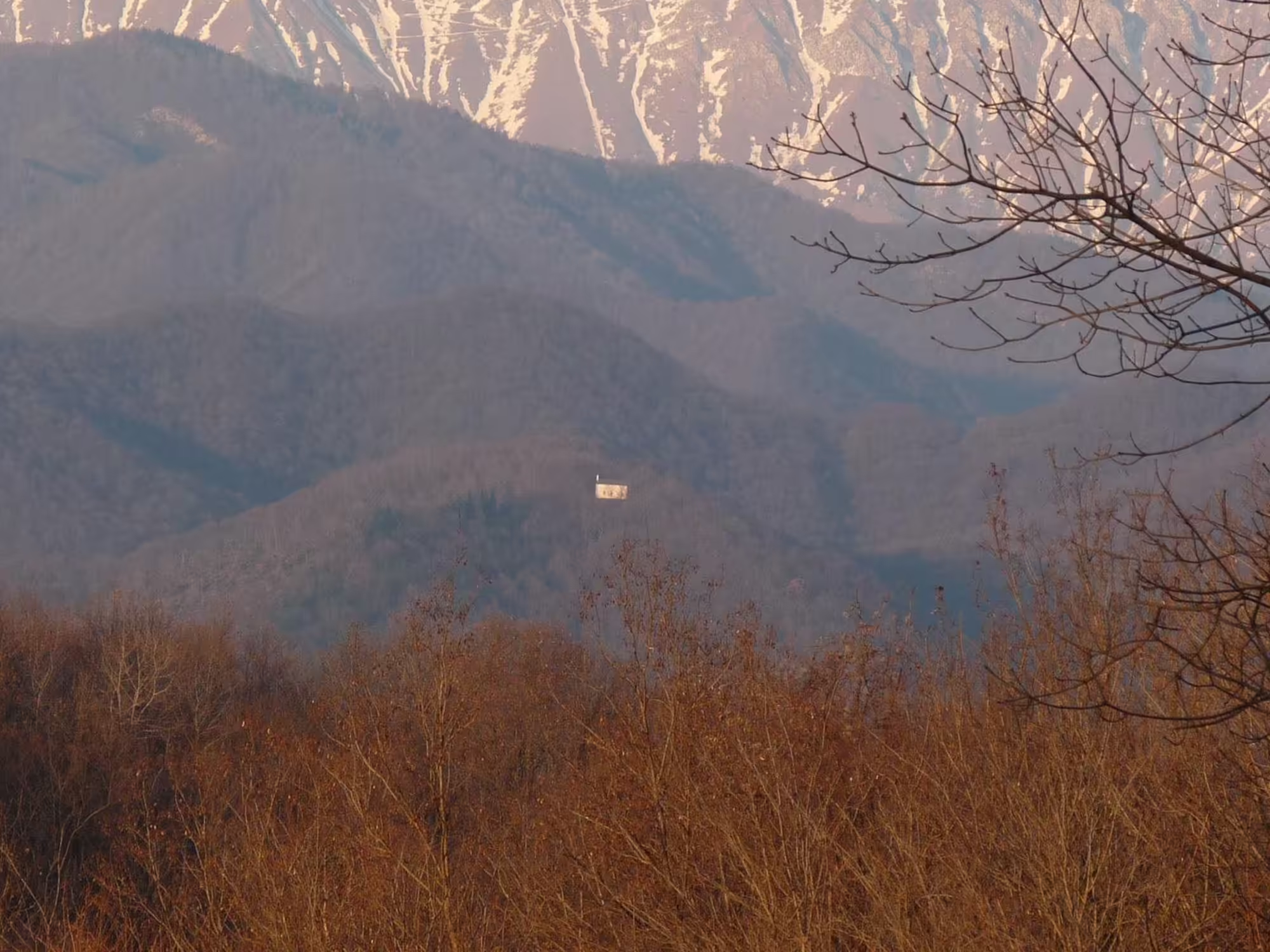 Church of San Giorgio from La Faula Hill-Top
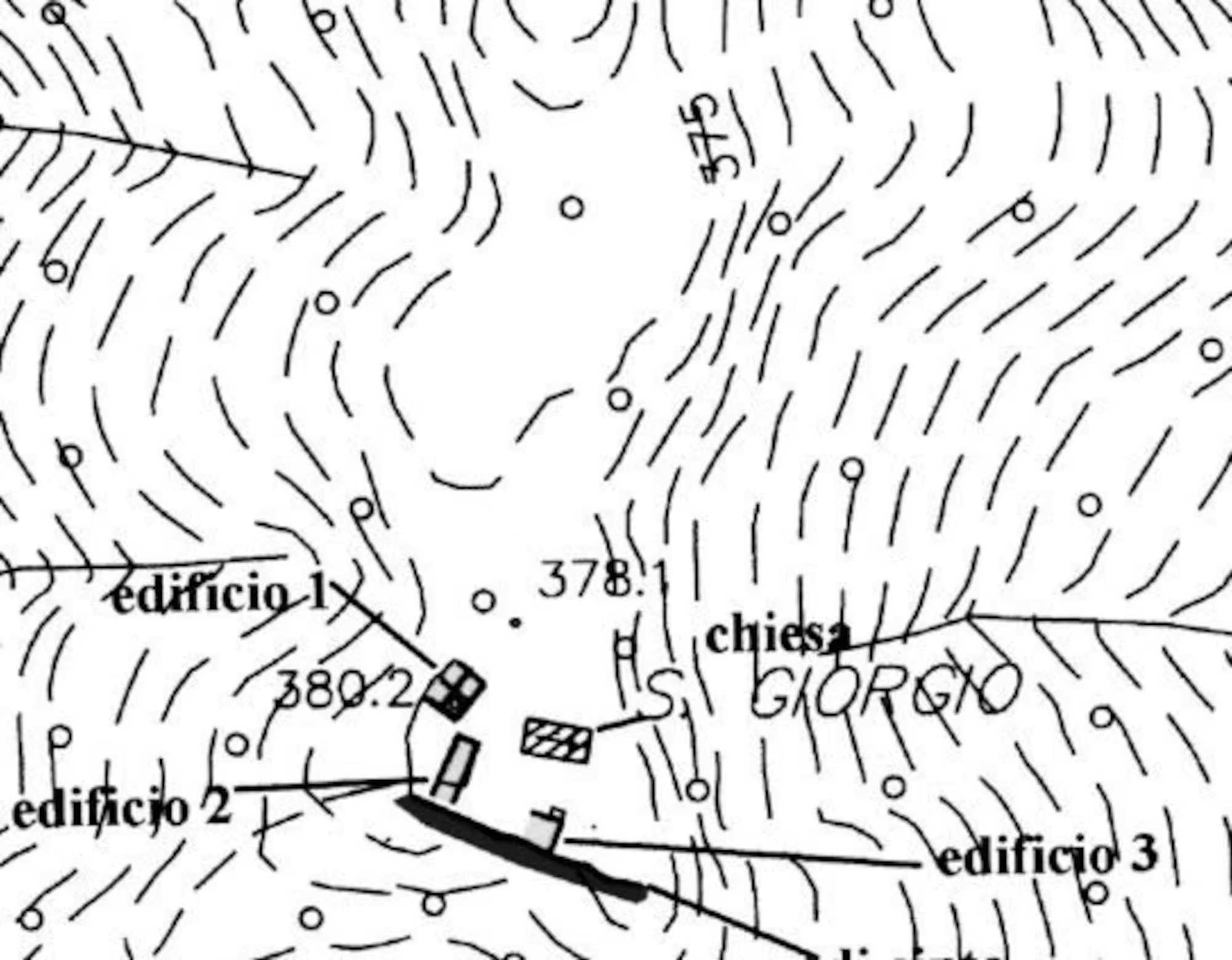 Church of San Giorgio from La Faula Hill-Top
That settlement was a strongly fortified one and is similar to another one to be found in Tonovcov grad near Kobarid in today's Slovenia. Numerous Gothic words in the Friulian Idiom may indicate a long and intense period of exchange: grampe from krampa (fistful); sbregâ from brikan (to tear); vuaiâ from wainjan (to even out), and others.
As the orderly Roman countryside succumbed to abandonment and the woodland reconquered the once ploughed fields, the Visigoths introduced what were their customary rights over the common meadows and the township waste. The latter was usually extensive, a township being often no more than a clearing in the middle of a large tract of woodland.
It was valued chiefly for its timber and the beechmast and acorns on which the pigs fed. It is estimated that each pig needs 0.57 hectares of woodland. The pigs were small because they grazed all day, reaching a maximum of 80 kg in weight and a yield of 50 kg of meat.
The evidence uncovered during the 2003 excavations helps confirm the previously hypothesised idea of the existence of a fortified settlement on the San Giorgio hill, mainly developed during the Gothic period.
The findings of weapons, coins, silver and gold artefacts (including the precious solidus of Athalaric, a unique find in Friulian settlements to date), along with other items of imported origin, enable us to compare this site with similar, albeit much larger ones, of the same period elsewhere.
They also help classify this site as a Gothic military outpost, which would have controlled the road from Cividale to the castra of Artegna, Gemona, and Osoppo. All these military outposts, in varying degrees, appear to have played an important defensive role during the 6th century.
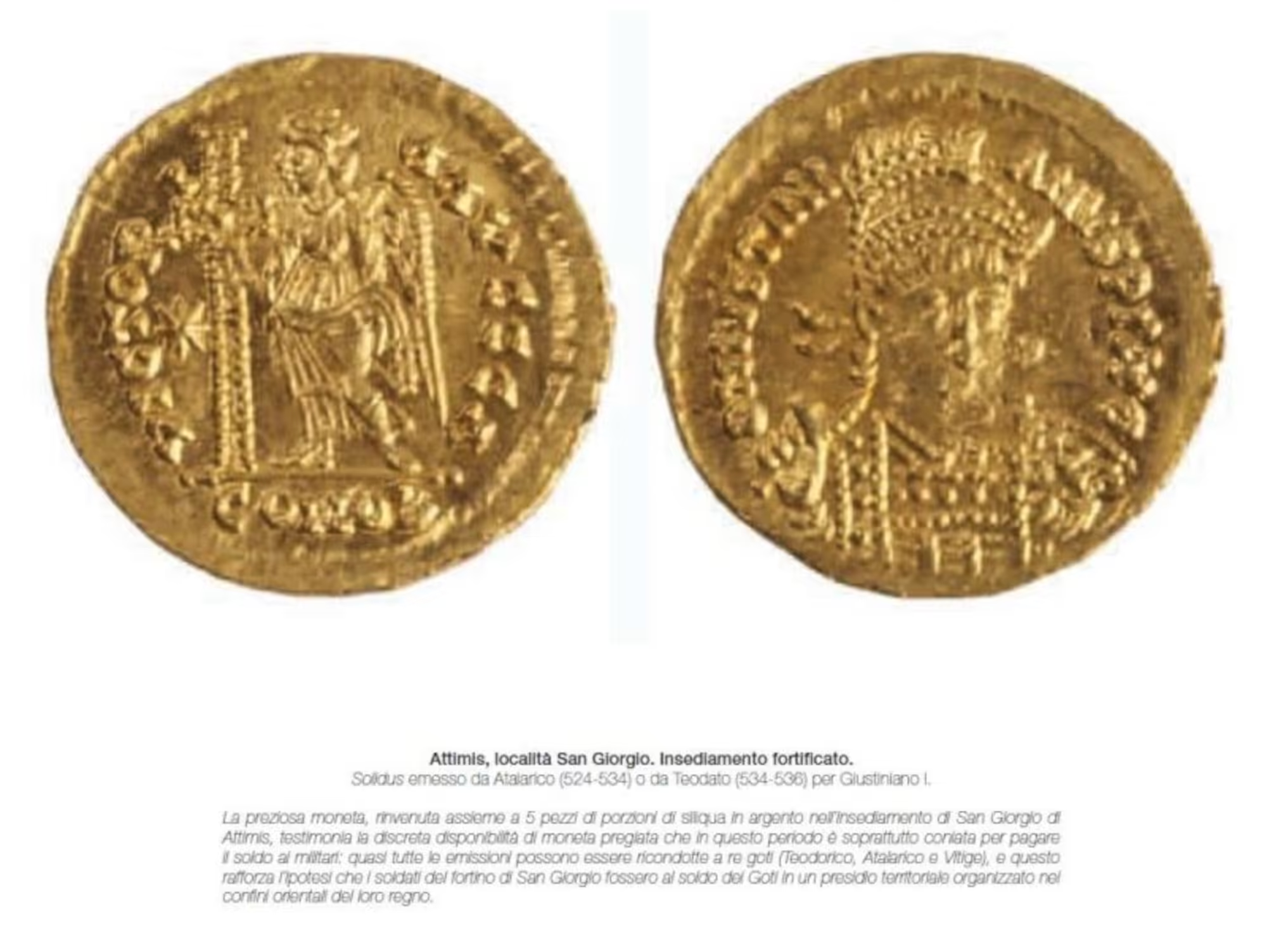 Such coins were primarily used for military payments, attesting to the circulation of
high-value currency in frontier regions.
Such coins were primarily used for military payments, attesting to the circulation of
high-value currency in frontier regions.